The Top 10 Questions Your Guests Will Ask About Your Wedding (And What to Put on Your Website)
As a wedding venue, we spend a lot of time helping couples prepare not only for their wedding day, but also for the many details that come with hosting their guests. After seeing weddings from the venue side, one thing we have noticed is that guests tend to have many of the same questions, regardless of the couple, location, or style of wedding. From where to park to what to wear, having those answers available ahead of time can make the experience easier for everyone.
Your wedding website is one of the best places to gather this information. While the site can certainly include your story, wedding party, photos, and other personal details, it is also an important resource for your guests. A thoughtfully organized website gives them one place to find the practical information they need as they make travel arrangements, plan what to wear, and prepare for the wedding day.
At Hidden Springs, we regularly work with couples as they plan celebrations here, and we have seen which details are most helpful for guests to know in advance. While every venue will have its own considerations, these ten questions are a good starting point for almost any wedding website.
1. Where is the wedding taking place?
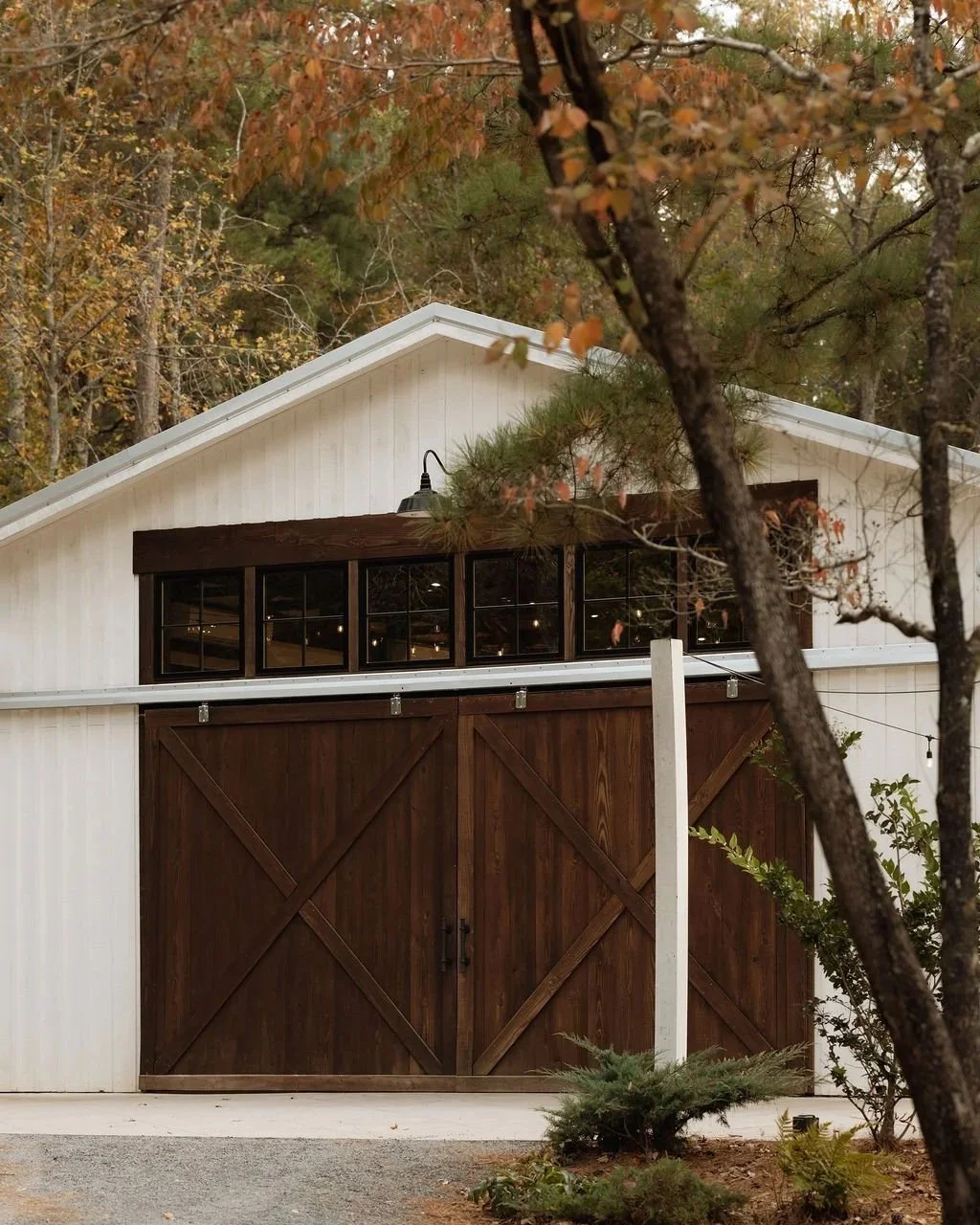
The first thing your guests need to know is where they are going, so make sure your wedding website includes the complete venue name, address, and directions.
This can be particularly helpful for guests who are traveling from out of town or who have never visited your venue before. If your ceremony and reception are taking place in different locations, be sure to explain that as well.
If your venue has a large property, multiple buildings, or specific arrival instructions, consider including those details on your website as well. A map or link to directions can also be useful.
2. What time should guests arrive?
Your invitation will typically list the ceremony start time, but guests may still wonder how early they should arrive.
We recommend giving guests a general arrival window on your website so they have enough time to park, find the ceremony location, and get settled before the wedding begins. For many weddings, arriving approximately 20 to 30 minutes before the ceremony provides a comfortable amount of time.
The recommended arrival time may be different depending on your venue and the layout of your wedding day. If guests need to walk between parking and the ceremony area, take a shuttle, or check in at a specific location, be sure to account for that when providing arrival instructions.
3. What is the dress code?
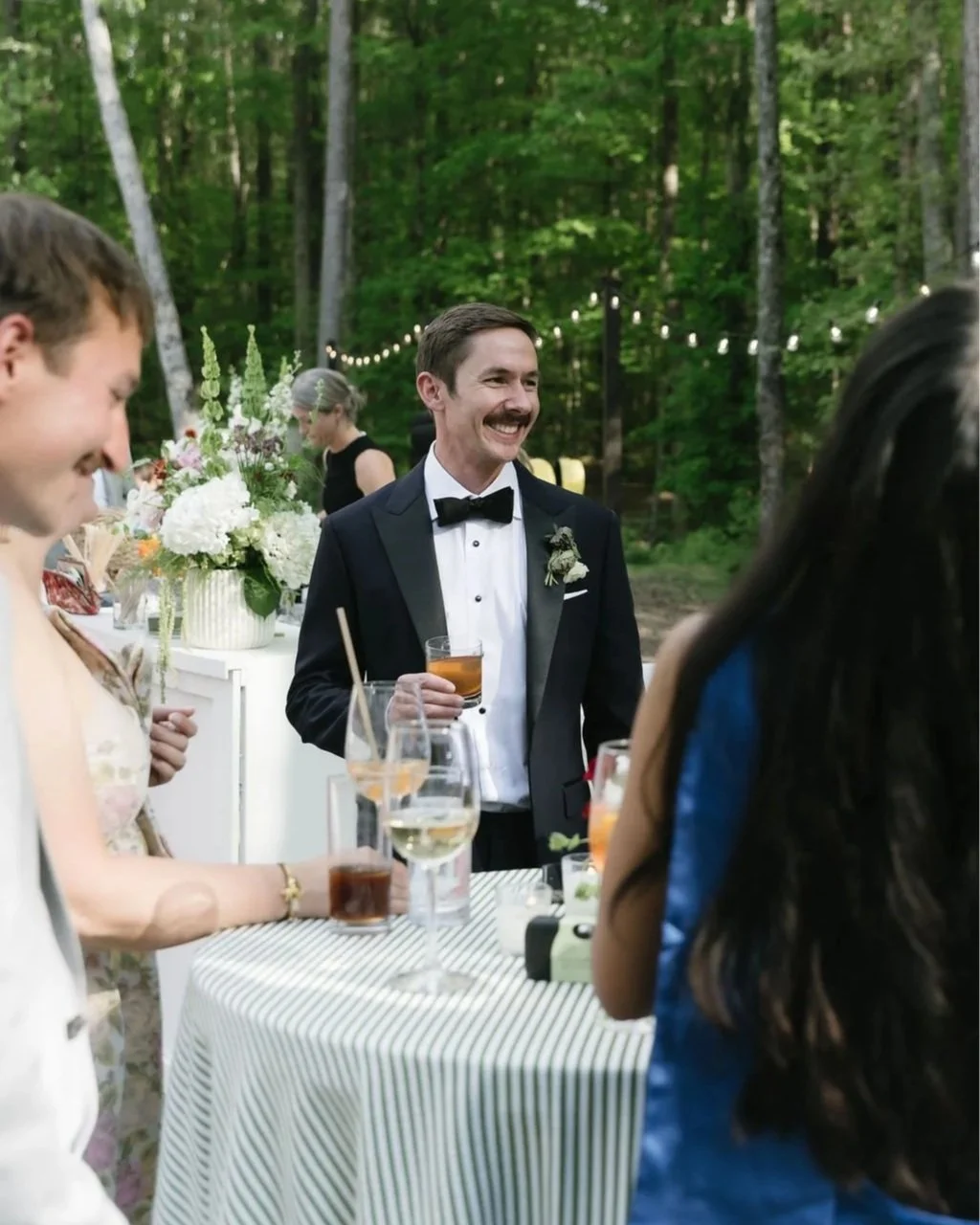
A wedding website is an ideal place to explain your dress code in a little more detail than what may fit on an invitation.
Start by clearly stating whether your wedding is formal, black tie, cocktail, semi-formal, or another type of attire. If there are specific considerations related to your venue, those can be included as well.
The goal is to give guests enough information to choose something that fits both the dress code and the setting.
4. Will the wedding be indoors or outdoors?
Guests generally want to know what kind of setting to expect when they arrive, particularly when a wedding includes both indoor and outdoor spaces.
Your wedding website is a good place to explain where the ceremony, cocktail hour, and reception will take place. If the plans are dependent on weather, you can also let guests know whether there is a backup location.
Whatever your plans may be, giving guests an overview ahead of time allows them to prepare accordingly.
It can also be helpful to mention seasonal considerations. Depending on the time of year, guests may appreciate knowing whether they should bring a jacket, plan for warm weather, or expect to spend part of the evening outside.
5. Who is invited?
Questions about plus-ones and children are common, so your wedding website should make your guest list as clear as possible.
Your RSVP system can help by showing each guest who is included in their invitation. You can also include a brief note explaining that guests should RSVP using the name on their invitation and that the RSVP page will reflect the guests included in their party.
If children are invited, you may want to provide that information on your website as well. If you are limiting your guest list to adults, the website can provide a thoughtful and clear explanation.
There is no universal approach to creating a guest list. What matters most is communicating your plans clearly so guests know who is included before they RSVP.
6. How and when should guests RSVP?
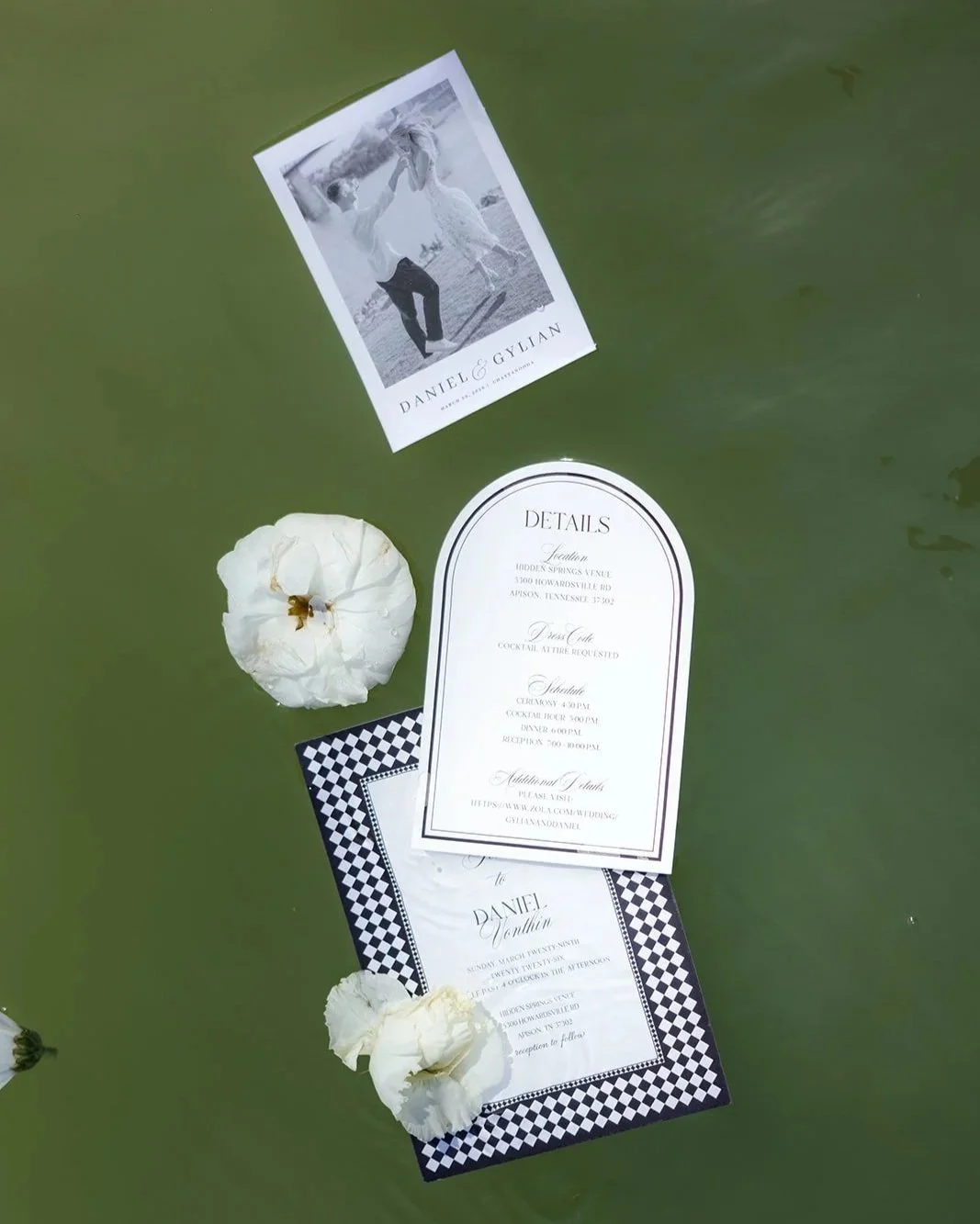
Make the RSVP process easy to find on your wedding website and clearly state the deadline.
If you are collecting RSVPs online, include a direct link to the RSVP page and explain what guests need to provide. If you are using traditional response cards, your website can still remind guests of the deadline and provide any additional instructions they may need.
It is also helpful to explain what guests should do if their plans change after submitting an RSVP. Your final guest count affects many parts of the wedding, including catering, seating, rentals, and other arrangements, so having an accurate response from each guest is important.
7. Where should out-of-town guests stay?
If guests are traveling for your wedding, they will likely appreciate having accommodation information readily available.
Your wedding website can include nearby hotels, room blocks, vacation rentals, or other lodging options. If your venue offers onsite accommodations, this is a natural place to explain those options as well.
At Hidden Springs, our onsite cabins give couples the option to include lodging for specific guests like wedding party, make sure you communicate to them that you’re providing that seperately for them!
If your venue does not offer lodging, you can still make the process easier by sharing a few nearby options. Including the approximate distance from the venue can also help guests decide which location works best for them.
8. Is there anything guests should know about the venue?
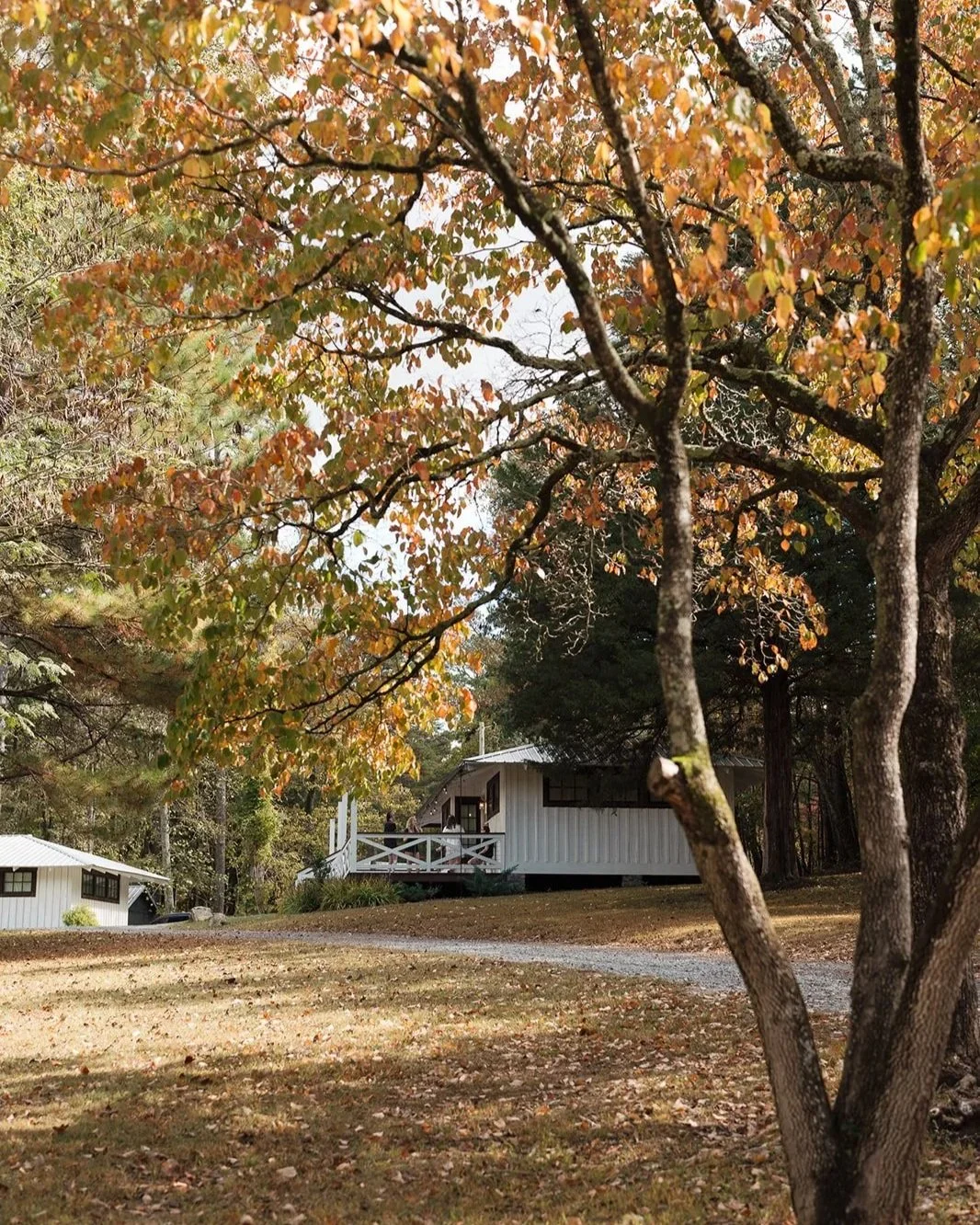
Every venue has its own layout, setting, and considerations, and your guests may not know what to expect simply from seeing the venue name on an invitation.
Use your wedding website to share any information that will help guests feel prepared.
This could include parking information, accessibility, transportation, outdoor areas, walking distances, or anything else that is specific to your venue.
Think about the experience from the perspective of someone who has never visited the property. What would they want to know before arriving?
9. What does the wedding day schedule look like?
Guests do not need your complete wedding-day timeline, but providing a simple overview can be very helpful.
You might include the ceremony time, cocktail hour, reception, dinner, and any other major events that guests will participate in.
For example:
4:00 PM — Ceremony
4:30 PM — Cocktail Hour
5:30 PM — Reception & Dinner
7:00 PM — Dancing
Your actual timeline will depend on your wedding, but a simple schedule gives guests a better idea of how the day will unfold.
If guests will move between different spaces throughout the day, you can also explain that in this section. This is particularly useful for venues with multiple ceremony, cocktail hour, and reception locations.
10. Who should guests contact with questions?
Finally, let your guests know who they should contact if they have a question.
As the wedding gets closer, couples often receive questions about arrival times, parking, accommodations, transportation, and other details. Designating a point of contact can help keep those questions organized and allow you to focus on the final days of wedding preparation.
Depending on your plans, that person could be your wedding coordinator, planner, a member of your wedding party, or another person you trust to help.
Think About Your Wedding Website From Your Guest's Perspective
When creating your wedding website, it can be easy to focus on the information that is most meaningful to you as a couple. Your story, engagement photos, wedding party, and details about your plans all have a place on the site.
However, the most useful wedding websites also answer the practical questions guests are likely to have.
Before your website is finished, take a moment to look through it as though you are attending the wedding for the first time. Is the venue easy to find? Do you know when to arrive? Is the dress code clear? Can you find the RSVP information? Do you know where to stay and who to contact with questions?
If the answer to those questions is yes, your website is already doing exactly what it needs to do.
Your wedding website does not have to include every detail of your wedding day. Instead, think of it as a helpful guide that gives your guests the information they need to feel prepared and know what to expect.
At Hidden Springs, we have the opportunity to see the wedding day from a perspective that includes both the couple and their guests, and we have found that clear communication is one of the simplest ways to make the entire experience more comfortable. A well-planned wedding website is a small part of the planning process, but it can make a meaningful difference in how easily your guests can navigate the details of your celebration.
Ready to see it for yourself?
Schedule a Tour of Hidden Springs
Follow Hidden Springs Venue:
Instagram — @hiddenspringsvenue
Facebook — Hidden Springs Venue
Pinterest — Hidden Springs Venue
Lambermont Events,Arcadia Academy,Price Creek Events,Lavender Manor,Park 31