How Fancy Is Too Fancy? Choosing a Wedding Dress Code That Fits Your Day
You’ve picked the date, found the venue, booked the photographer, and probably spent more time than you expected deciding between shades of ivory. Then comes a question that seems simple until you actually have to answer it: What should your guests wear?
Wedding dress codes have become a bigger part of wedding planning, especially as couples move away from one-size-fits-all traditions and create celebrations that feel more personal to them. A lakeside ceremony, a formal ballroom reception, a backyard-inspired dinner, and a weekend wedding at a rustic venue can all call for completely different attire.
As a wedding venue, we see firsthand how much the setting, season, timeline, and overall atmosphere can influence what makes sense for guests to wear. And while a dress code can be incredibly helpful, it can also create a few questions of its own.
So, should you include one on your invitations? Usually, yes but it doesn't have to be complicated.
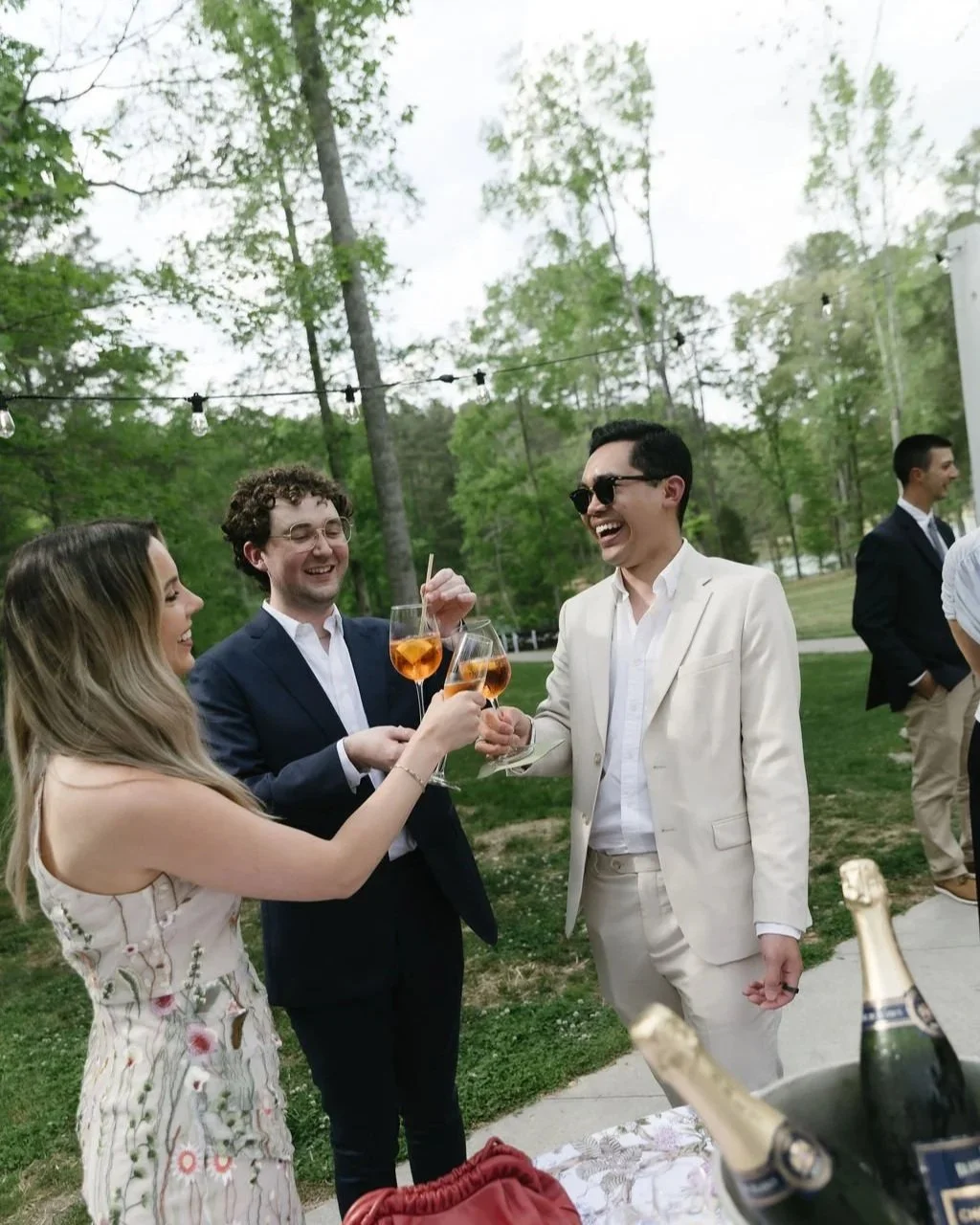
Why Have a Wedding Dress Code?
The biggest reason to include a dress code is simple: your guests want to know what you mean.
Even the most stylish wedding guest can stare at an invitation wondering, “Okay…but how dressed up are we talking?”
A dress code gives guests a starting point. It helps someone decide whether they should pull out a tuxedo, a suit, a cocktail dress, a jumpsuit, or something a little more relaxed. It can also give guests an idea of what will make them comfortable throughout the day.
At Hidden Springs, for example, weddings often include time outdoors. Guests may walk between the ceremony area, courtyard, barn, cabins, and other parts of the property. That is useful information when deciding whether a pair of formal stilettos is the best choice or whether a dressier block heel might make more sense.
Your venue doesn't have to dictate your dress code, but it should definitely be part of the conversation.
The Pros of Having a Wedding Dress Code
1. It Gives Your Guests Clear Direction
This is probably the biggest advantage.
Wedding guests are coming from different backgrounds, generations, and personal styles. One person might consider a sundress perfectly appropriate for a summer wedding while another might assume they should wear a full-length dress.
A dress code gives everyone the same starting point.
And if you're worried that guests will still have questions, you can go one step further. Instead of simply writing “Cocktail Attire”, add a short explanation on your wedding website.
For example:
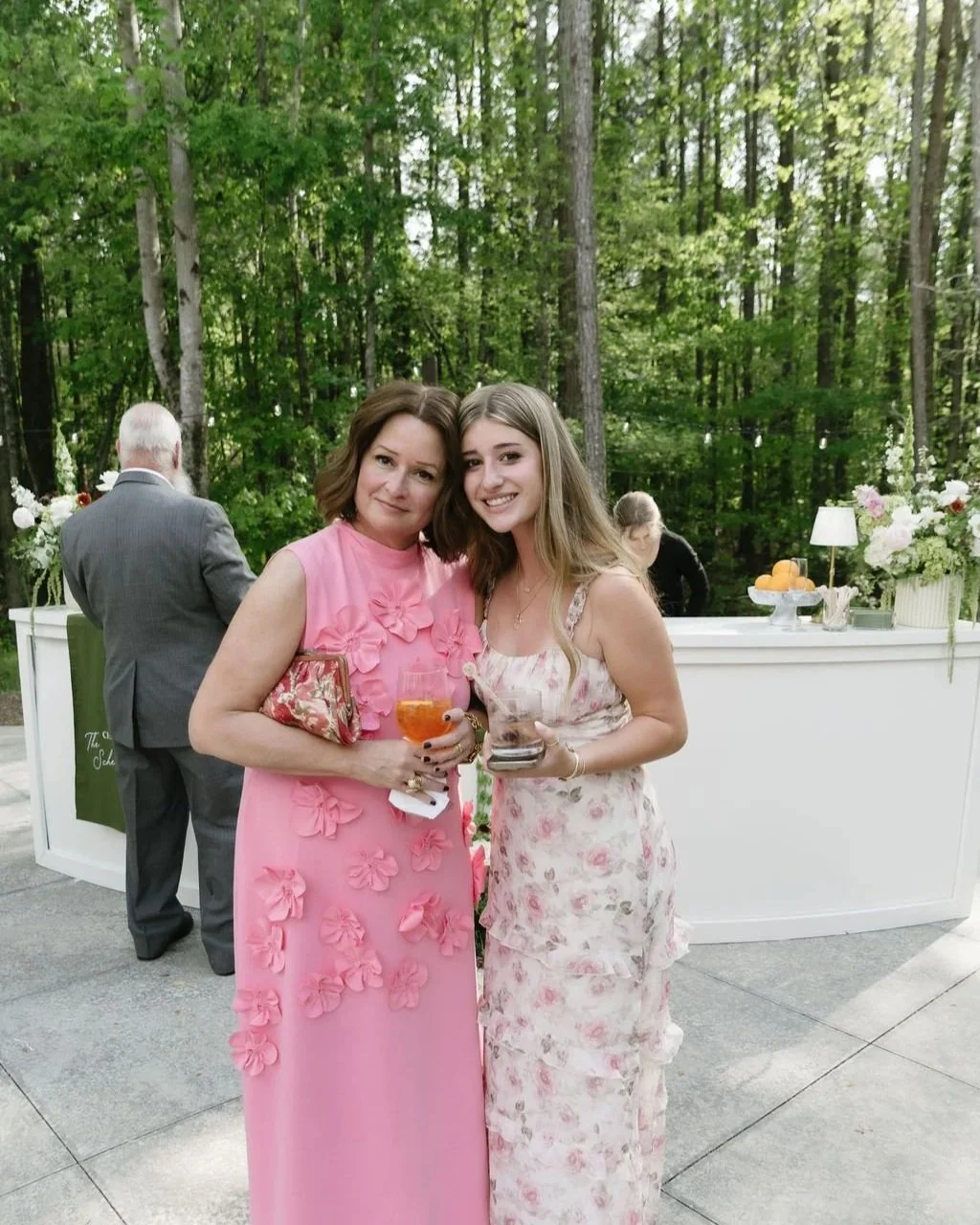
Cocktail Attire: Dressy dresses (typically floor length), jumpsuits, suits, or dress pants and a button-down. Our ceremony and cocktail hour take place outdoors, so comfortable shoes are encouraged.
2. It Helps Your Wedding Photos Feel Cohesive
You don't need every guest to look identical. In fact, you shouldn't.
But there is something visually appealing about having a room full of guests who are dressed for the same occasion.
A formal wedding filled with suits, dresses, and polished accessories creates a very different look than a relaxed outdoor celebration where guests are wearing lighter fabrics and more casual silhouettes.
When everyone understands the general level of formality, your photographs naturally feel more connected to the atmosphere you created.
3. It Can Complement Your Venue
Your venue is part of the experience, and your dress code can work with it.
A black-tie wedding in an elegant ballroom makes sense. So does a more relaxed dress code for a casual outdoor celebration.
At Hidden Springs, the setting lends itself particularly well to dress codes that feel polished without being overly restrictive. A couple might want guests to dress up for dinner and dancing while still keeping the atmosphere relaxed enough to enjoy an outdoor ceremony and a night around the property.
Think about what your guests will actually experience.
Will they be walking on grass? Sitting outside? Moving between indoor and outdoor spaces? Attending a morning ceremony? Dancing late into the evening?
Your dress code should fit the wedding you're actually hosting.
4. It Gives You Another Way to Establish the Wedding's Personality
Your dress code doesn't have to be boring.
While traditional options like formal, cocktail, and black tie are easy for guests to understand, some couples want to add a little personality.
You might choose:
Garden Party
Western Formal
Festive Cocktail
Beach Formal
Dressy Casual
Black Tie Optional
Just remember that the more creative the wording becomes, the more explanation your guests may need.
“Garden Party Attire” sounds lovely. But does that mean sundresses? Linen suits? Florals? Hats? Wedges?
If you're using a less familiar dress code, give your guests examples.
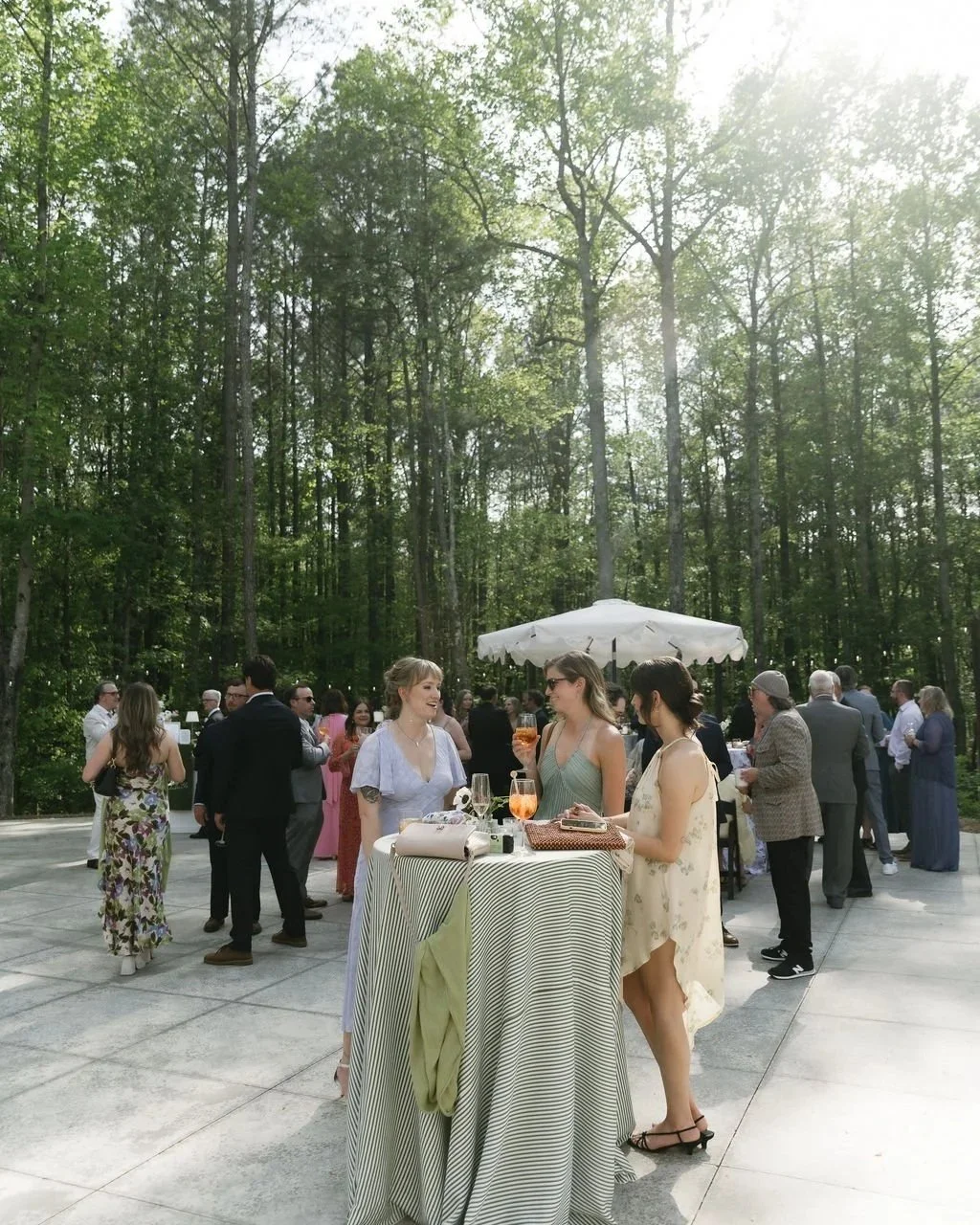
The Cons of Having a Wedding Dress Code
A dress code isn't automatically better simply because it's more specific.
There are a few things couples should consider before adding a long list of rules.
1. Guests May Feel Like They Need to Buy Something New
A highly formal dress code can create an added expense for guests.
Not everyone owns a tuxedo or floor-length evening gown. And while dressing up can be fun, asking someone to purchase a completely new outfit isn't always practical.
If your wedding is black tie, consider whether guests have enough information and time to plan accordingly.
If you're somewhere in between, a more flexible dress code such as formal or black-tie optional can give guests room to work with what they already own.
2. Some Dress Code Terms Are Surprisingly Confusing
“Cocktail.”
“Formal.”
“Semiformal.”
“Dressy casual.”
These words seem straightforward until you ask five people what they mean and get five different answers!
The easiest solution is to use a familiar dress code and then explain it in plain language.
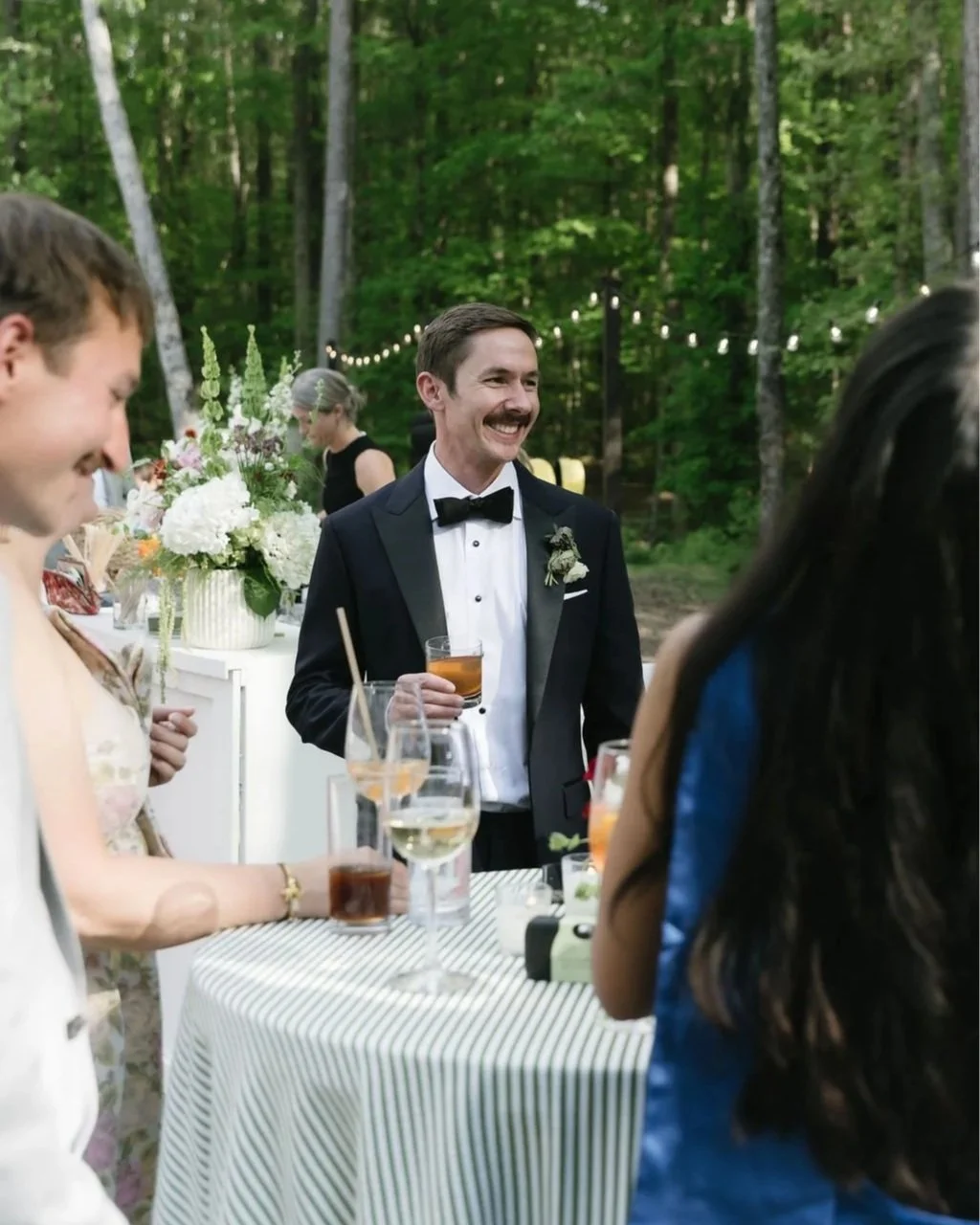
Wedding Dress Codes, Decoded
Black Tie
This is the fancy one.
Think tuxedos, formal evening gowns, elegant cocktail dresses, and polished accessories. Black tie is one of the most formal and commonly used wedding dress codes.
If you're planning a black-tie wedding, make sure your guests know well in advance.
Formal
Formal gives guests a little more flexibility than black tie.
For men, this generally means a suit and dress shoes. For women, it can mean a long dress, dressy cocktail dress, jumpsuit, or another polished formal look.
This is a great option when you want your wedding to feel elevated without requiring tuxedos.
Cocktail
Cocktail attire is one of the most versatile wedding dress codes.
Think dresses around knee or midi length, dressy jumpsuits, suits, dress pants, button-downs, and polished shoes.
It's dressy, but can tend to be more casual than the formal and black tie options.
Semi-Formal
Semi-formal sits between casual and formal.
For an evening wedding, guests might choose a cocktail dress, dressy separates, or a suit. During the daytime, lighter fabrics and colors can make sense.
Semi-formal attire can be described as more polished than everyday office wear but less formal than a formal event.
Dressy Casual or Smart Casual
This is where things get a little more relaxed.
Guests might wear a sundress, dressy skirt, trousers, a button-down, a blazer, or another polished but comfortable outfit.
This can work especially well for daytime or outdoor weddings where you want guests to look put together without feeling overdressed.
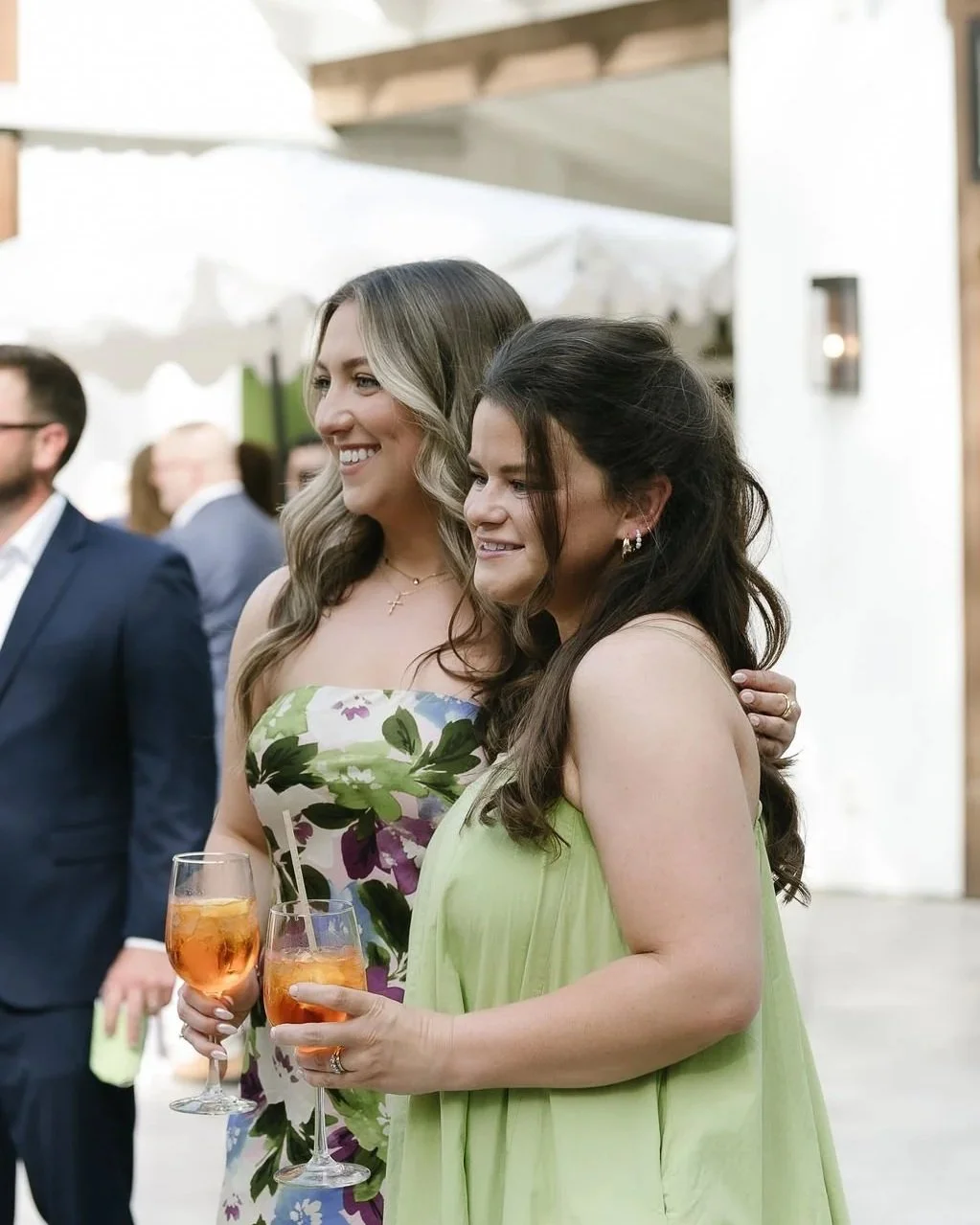
So, Do You Actually Need a Dress Code?
Not necessarily.
Some couples know immediately that they want everyone in formal attire. Others genuinely don't care as long as guests come ready to celebrate.
That's okay, too.
If you don't have a specific dress code, you can simply give guests helpful context. Something like “Outdoor summer wedding: dress comfortably and come ready to celebrate” can be more useful than assigning a formal category that doesn't really fit your wedding.
The important thing is making sure your guests know what kind of experience they're walking into.
3 Simple Ways to Communicate Your Dress Code
1. Put It on the Invitation
If you have a specific dress code, include it directly on the invitation or on a details card.
Keep it short.
Dress Code: Cocktail Attire
That's enough to give guests a starting point.
2. Explain It on Your Wedding Website
Your wedding website is where you can give the extra details that don't belong on an invitation.
You can include examples, shoe suggestions, weather information, or a note about outdoor areas.
If your wedding includes a ceremony outside, let guests know. If they'll be walking across grass or gravel, tell them. If the reception is inside but cocktail hour is outside, that information matters.
3. Choose Helpful Language Over Strict Rules
Your dress code should help guests feel prepared!
Instead of:
“No casual attire, no jeans, no athletic shoes, no hats, no…”
Try:
“Cocktail attire is encouraged. Our ceremony takes place outdoors, so we recommend comfortable shoes for walking around the property.”
The second version communicates the same idea while still making guests feel welcome.
The Best Dress Code Is the One That Fits Your Wedding
Ultimately, your wedding dress code should make sense for you, your venue, your guests, and the experience you're creating.
A formal dress code can be wonderful. So can cocktail attire. So can a relaxed outdoor celebration where guests are encouraged to dress comfortably.
There isn't one perfect answer.
As a venue, one of our favorite things about weddings is seeing how differently couples use the same spaces. Some celebrations are polished and classic. Others are relaxed, outdoorsy, and full of personality. The best weddings aren't necessarily the ones with the most rules, they're the ones where the details feel intentional.
So choose the dress code that matches the day you want to have, communicate it clearly, and then let your guests show up ready to celebrate.
And if you're still deciding what kind of wedding day fits you best, we'd love to show you around Hidden Springs.
Ready to see the property for yourself?
Take a Hidden Springs Venue tour and explore our lakeside ceremony area, reception barn, getting-ready spaces, cabins, and outdoor spaces to start imagining your own wedding day.
You can also follow along with us on Instagram, Facebook, and Pinterest for more real wedding inspiration from Hidden Springs.
The Barn at Magnolia Farm,The Barn at Green Garden Farm,Little Tennessee Farm,Caribou Bay Retreat ,Emerald Acres Events