Should I have a buffet or plated meal at my wedding?
One of the biggest decisions couples make during wedding planning is choosing the right dining experience for their guests. From plated dinners to buffets and passed appetizers to stationary grazing tables, your catering style helps shape the overall atmosphere of your wedding day.
Whether you’re planning an elegant formal reception or a relaxed outdoor celebration in Chattanooga, understanding the pros and cons of each option can help you create a guest experience that feels intentional, seamless, and memorable.
After seeing dozens of real weddings, here’s everything couples should know before choosing between a buffet, plated dinner, passed appetizers, or stationary appetizer displays.
Why Catering Style Matters More Than Couples Realize
Food is one of the most talked-about parts of a wedding. Guests may forget small décor details, but they almost always remember:
The atmosphere
The flow of the evening
The quality of the meal
Whether they felt comfortable and cared for
Your catering style affects:
Guest interaction
Timeline flow
Budget
Formality
Overall wedding vibe
That’s why it’s important to think beyond just the menu itself.
What Is a Plated Wedding Dinner?
A plated dinner is the most traditional and formal catering option. Guests remain seated while servers bring each course directly to the table.
Typically, couples offer:
Two entrée choices
A salad course
Bread service
Dessert
Plated dinners are popular for:
Formal weddings
Black-tie events
Elegant indoor receptions
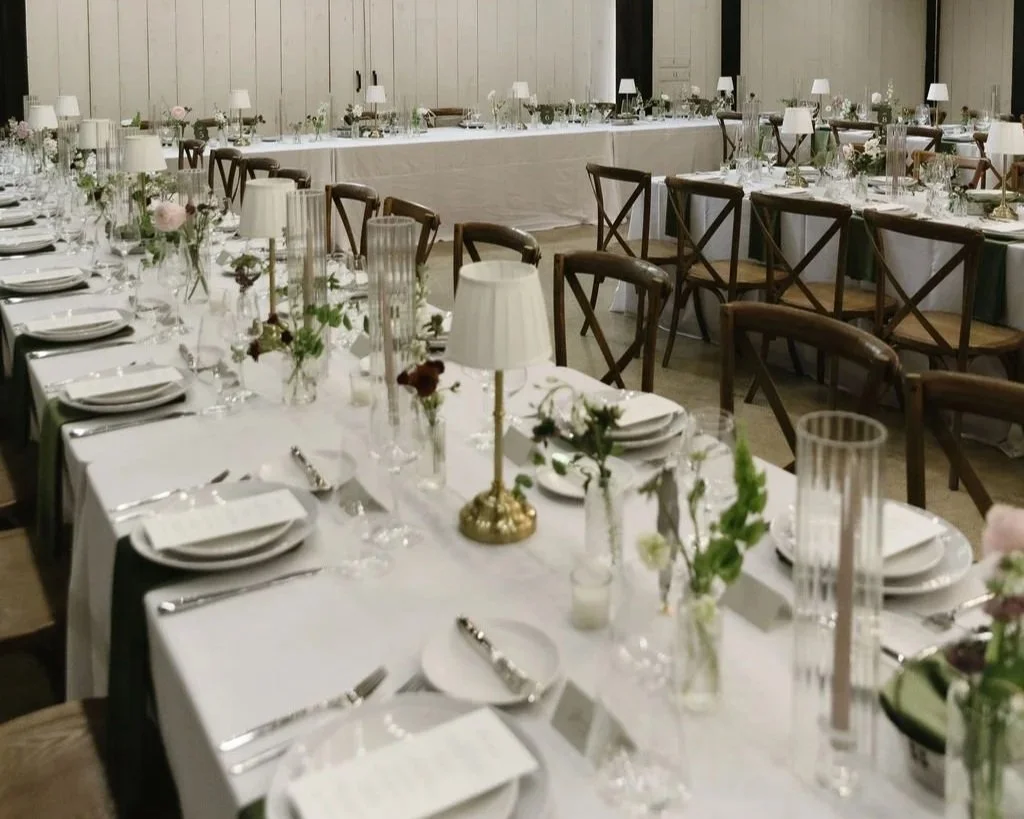
Pros of a Plated Dinner
1. Creates a More Formal Experience
Plated dinners naturally feel elevated and polished. The structured service creates a refined atmosphere that works beautifully for luxury weddings and classic receptions.
2. Keeps the Evening Organized
Since guests remain seated:
Speeches flow more smoothly
Service timing is controlled
The reception often feels more cohesive
This can help keep the wedding timeline running efficiently.
3. Better for Smaller Guest Counts
Plated dinners often work especially well for intimate weddings because service feels personalized and intentional.
4. Elegant Guest Experience
Guests appreciate:
Not waiting in line
Being served directly
A restaurant-style dining experience
Cons of a Plated Dinner
1. Typically More Expensive
Plated dinners often require:
More staff
Additional rentals
More structured service
This can increase catering costs significantly.
2. Less Variety for Guests
Most plated dinners offer only one or two entrée choices, which may limit flexibility for guests with dietary preferences.
3. Requires Accurate RSVPs
Couples must carefully track meal selections ahead of time, which adds another planning layer.
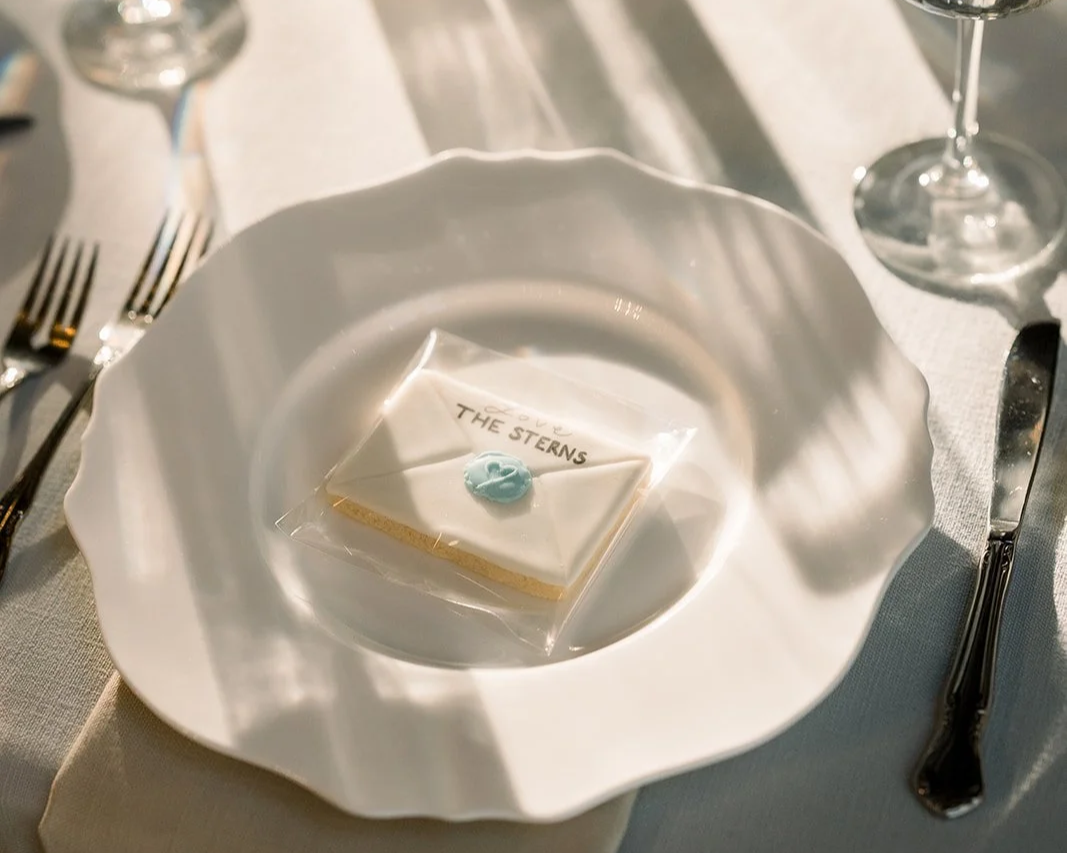
What Is a Wedding Buffet?
A buffet allows guests to serve themselves from a food station or serving line.
Buffets are especially popular for:
Outdoor weddings
Barn weddings
Relaxed receptions
Large guest counts
Pros of a Buffet Dinner
1. More Food Variety
Buffets allow couples to offer:
Multiple proteins
Several side dishes
Vegetarian or gluten-free options
Guests enjoy having more choices.
2. Encourages a Relaxed Atmosphere
Buffets naturally feel more social and interactive. They often fit beautifully with outdoor weddings and laid-back receptions.
3. More Budget-Friendly
In many cases, buffets require:
Fewer servers
Simpler service logistics
This can help reduce overall catering costs.
4. Easier for Dietary Restrictions
Guests can choose what works best for them without needing a pre-selected entrée.
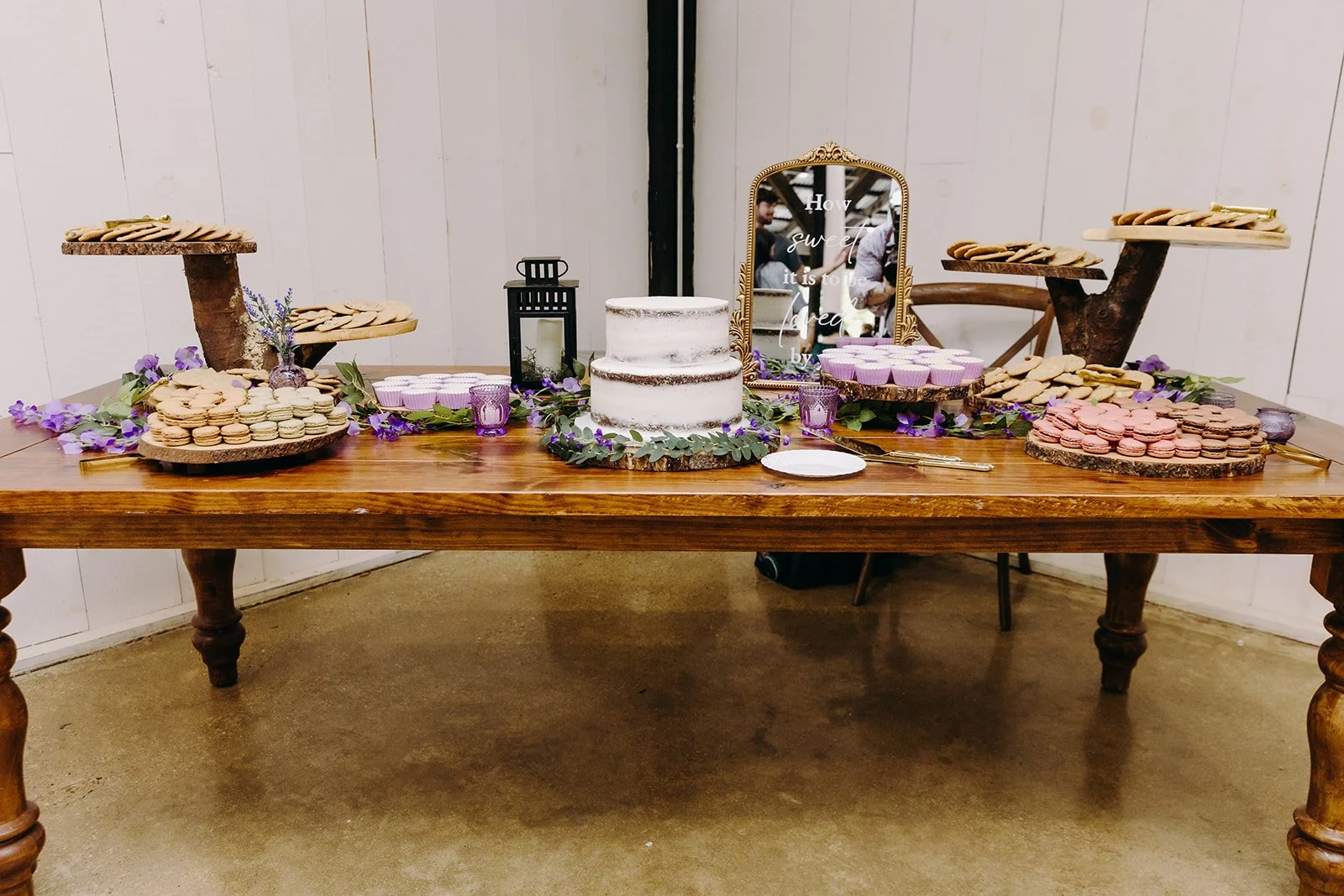
Cons of a Buffet Dinner
1. Lines Can Slow Down the Reception
Large guest counts can create long buffet lines if the setup isn’t designed efficiently.
This is why experienced catering teams and thoughtful layouts matter.
2. Less Formal Feel
Buffets typically feel:
More casual
More relaxed
Less structured
This may not match every wedding style.
3. Timing Can Be Harder to Control
Since guests serve themselves, dinner timing can vary more than with plated service.
Passed Appetizers vs. Stationary Appetizers
Cocktail hour is another major opportunity to create an unforgettable guest experience.
Most couples choose between:
Passed appetizers
Stationary appetizer displays
Or a combination of both
What Are Passed Appetizers?
Passed appetizers are served by catering staff walking through cocktail hour with trays of small bites.
Examples include:
Mini crab cakes
Bruschetta
Bacon-wrapped bites
Mini sliders
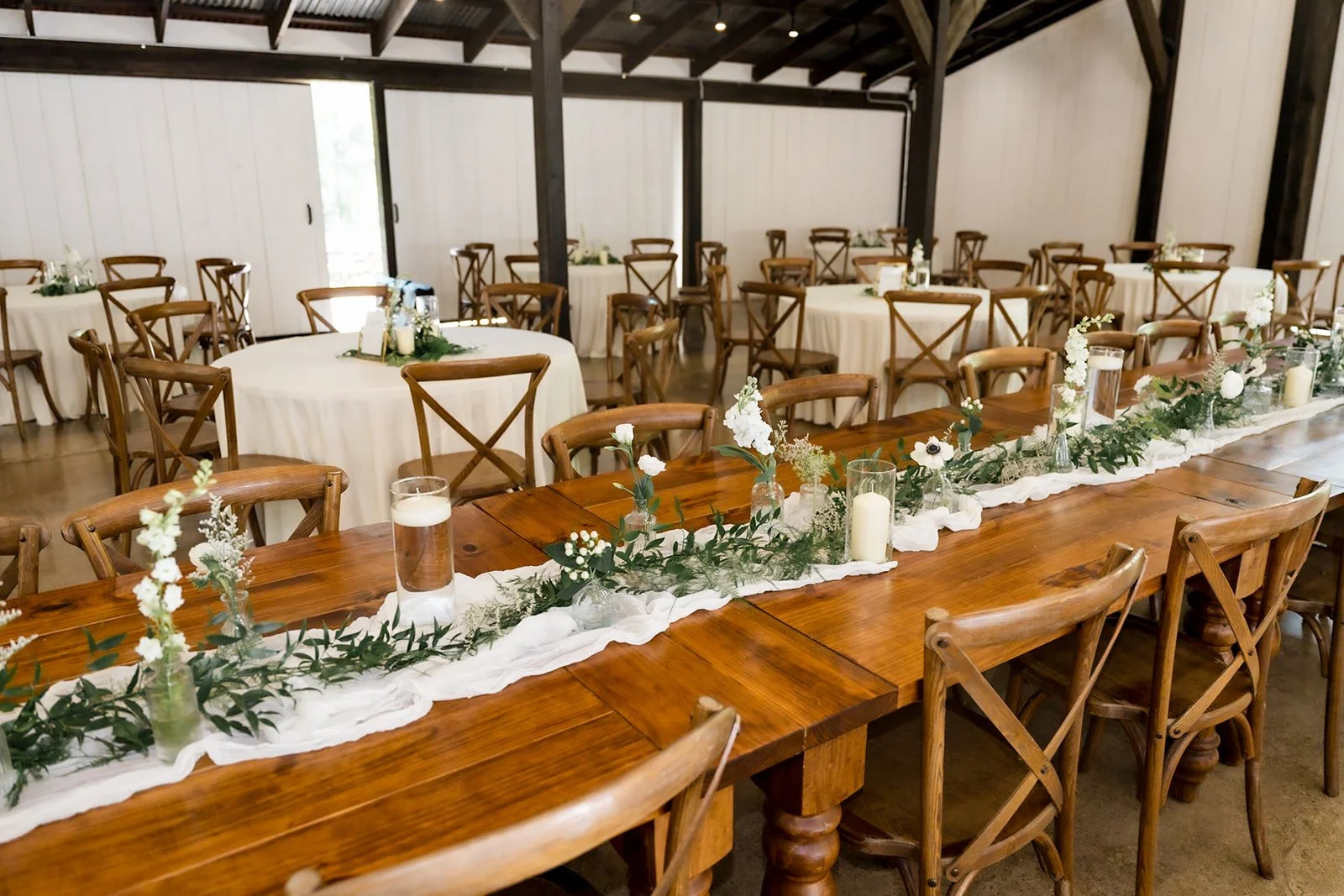
Pros of Passed Appetizers
1. Feels Elevated and Luxurious
Passed appetizers immediately create a more upscale cocktail hour experience.
Guests feel:
Welcomed
Taken care of
Engaged in the experience
2. Encourages Mingling
Because guests move around and interact, passed appetizers help create a lively social atmosphere.
3. Keeps Spaces Cleaner
Since food is distributed gradually, it can reduce crowding around food tables.
Cons of Passed Appetizers
1. Guests May Miss Certain Items
If guests are deep in conversation or away from the main cocktail area, they may not see every appetizer offered.
2. Requires More Staffing
Passed service typically increases labor costs compared to stationary displays.
What Are Stationary Appetizers?
Stationary appetizers are self-serve displays guests can visit throughout cocktail hour.
Popular examples include:
Charcuterie tables
Grazing boards
Fruit displays
Dips and spreads
Pros of Stationary Appetizers
1. Guests Can Eat at Their Own Pace
Guests appreciate being able to:
Grab food when they want
Return multiple times
Choose exactly what they like
2. Visually Stunning
Large grazing tables and charcuterie displays often become part of the décor itself.
3. More Budget-Friendly
Stationary displays often require:
Less staffing
Simpler service logistics
Cons of Stationary Appetizers
1. Can Create Crowding
Without enough space or duplicate stations, guests may crowd around the table.
2. Less Interactive
Compared to passed service, stationary displays can feel slightly less personalized.
The Best Option? Many Couples Combine Both
One of the most popular trends right now is combining:
Stationary grazing tables
With a few passed appetizers
This creates:
Variety
Visual impact
A balanced guest experience
It also helps ensure guests have enough food during cocktail hour while still maintaining an elevated feel.
How Your Venue Impacts Catering Style
Your venue layout plays a huge role in determining what catering style works best.
For example:
Outdoor weddings often pair well with buffets
Formal ballroom receptions may suit plated dinners better
Cocktail-style receptions work beautifully with passed appetizers and stations
The best wedding venues help couples design a flow that feels natural and comfortable for guests.
Questions to Ask Your Caterer
Before finalizing your catering plan, ask:
How many servers are included?
How long will dinner service take?
What’s the backup plan for outdoor service?
How are dietary restrictions handled?
How many appetizer pieces per guest are recommended?
These details make a major difference in the overall experience.
Choosing the Right Wedding Dining Experience
At the end of the day, there’s no “right” or “wrong” choice between plated dinners, buffets, passed appetizers, or stationary displays.
The best option is the one that fits:
Your wedding style
Your guest experience goals
Your budget
Your venue atmosphere
Some couples want an elegant formal dinner. Others want a relaxed outdoor celebration where guests mingle freely.
Both can be beautiful when planned intentionally.
Because the most memorable weddings aren’t about following trends, they’re about creating an experience that feels authentic, welcoming, and unforgettable for everyone in the room.