Planning a Wedding + Working Full Time
If you’re planning a wedding while working full-time, let’s start with this: you’re not behind, you’re not doing it wrong, and you’re definitely not alone.
Most couples today are balancing full-time jobs, family responsibilities, friendships, and everyday life while also trying to plan one of the biggest days they’ll ever have. And some days, it can feel like you’re answering emails at lunch, researching vendors at midnight, and wondering how everyone else seems to have it all figured out.
The truth? They don’t. Planning a wedding while working full-time is challenging but it’s also completely doable with the right mindset, a little structure, and a lot of grace for yourself.
Let’s walk through it together.
First Things First: Give Yourself Permission to Slow Down
Wedding planning doesn’t have to be a second full-time job. It’s easy to fall into the trap of thinking you should be doing something wedding-related every single day. But that mindset leads straight to burnout.
Instead, remind yourself:
You don’t need everything planned at once
Progress is still progress, even if it’s small
Your marriage matters more than your timeline
It’s okay if planning happens in waves. Some weeks you’ll get a lot done. Other weeks, you’ll do nothing at all and that’s okay.
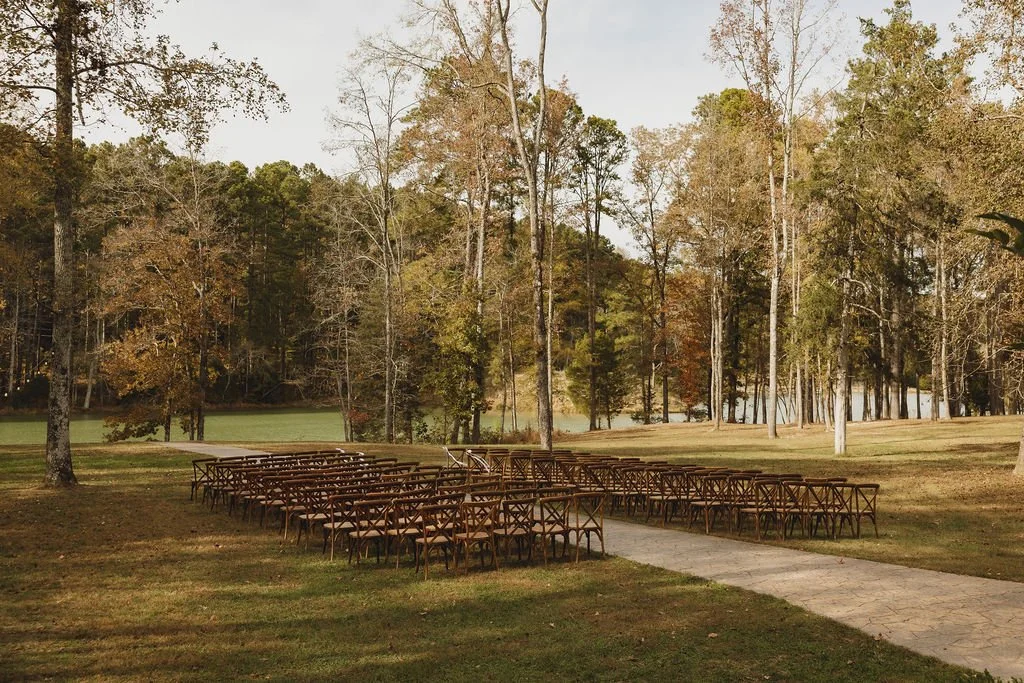
Start With the Big Decisions
When time is limited, focusing on the biggest pieces first makes everything else easier.
The “Big Three” to Prioritize Early
Your wedding date
Your guest count (even a rough estimate)
Your venue
Once those are set, many other decisions naturally fall into place. Your venue often helps determine:
Style and vibe
Capacity
Rain plans
Timeline
What décor you actually need
Choosing a venue that offers flexible packages or micro-wedding options can save hours of planning time and decision fatigue.

Create a Simple Weekly Planning Rhythm
Instead of trying to plan whenever you “find time,” give wedding planning a small, intentional place in your schedule.
Try This:
Choose one evening a week or Sunday afternoon
Limit planning to 60–90 minutes
Set one or two clear goals per session
For example:
“This week we’ll book the photographer.”
“This week we’ll finalize the guest list.”
When time’s up, stop. You’ll be amazed how much calmer wedding planning feels when it’s contained instead of bleeding into every spare moment.
Use Your Lunch Breaks (But Don’t Burn Yourself Out)
Short tasks are perfect for lunch breaks or downtime at work:
Sending inquiry emails
Reviewing contracts
Creating a guest list spreadsheet
Browsing inspiration
Save bigger decisions, like décor, timelines, or seating, for times when you’re not mentally exhausted. Wedding planning is supposed to feel exciting, not like another work deadline.

Communicate Clearly With Your Partner
One of the most overlooked parts of wedding planning is how important communication is, especially when both partners are busy.
Have regular check-ins:
What decisions still need to be made?
What feels overwhelming right now?
What can we delegate or simplify?
Planning together helps prevent resentment and keeps the wedding feeling like a shared experience not something one person is carrying alone.
Choose Vendors Who Make Your Life Easier
When time is limited, the right vendors are everything.
Look for vendors who:
Respond quickly and clearly
Offer experience-based guidance
Provide packages instead of endless options
Anticipate needs before you have to ask
This is especially true when choosing a wedding venue. A venue that has hosted hundreds of weddings knows how to streamline timelines, avoid common mistakes, and guide you through decisions without pressure.
When a vendor makes things easier, that’s not just convenience that’s peace of mind.

Let Go of the Idea That Everything Has to Be Perfect
Perfection is exhausting. Meaningful is better.
Your guests won’t remember:
The exact shade of napkins
Whether everything matched perfectly
If one detail changed last minute
They will remember:
How your ceremony felt
The joy in the room
How present you were
The love you shared
When planning starts to feel heavy, ask yourself:
“Will this matter to us five years from now?”
If the answer is no, it’s probably safe to simplify.
Consider a Smaller or Micro Wedding
Many full-time working couples find relief by choosing a smaller guest list or micro wedding.
Benefits include:
Fewer decisions
Shorter timelines
Lower costs
More flexibility
A more relaxed, intimate day
Micro weddings allow you to focus on what matters most—your commitment, your people, and your experience without months of stress.
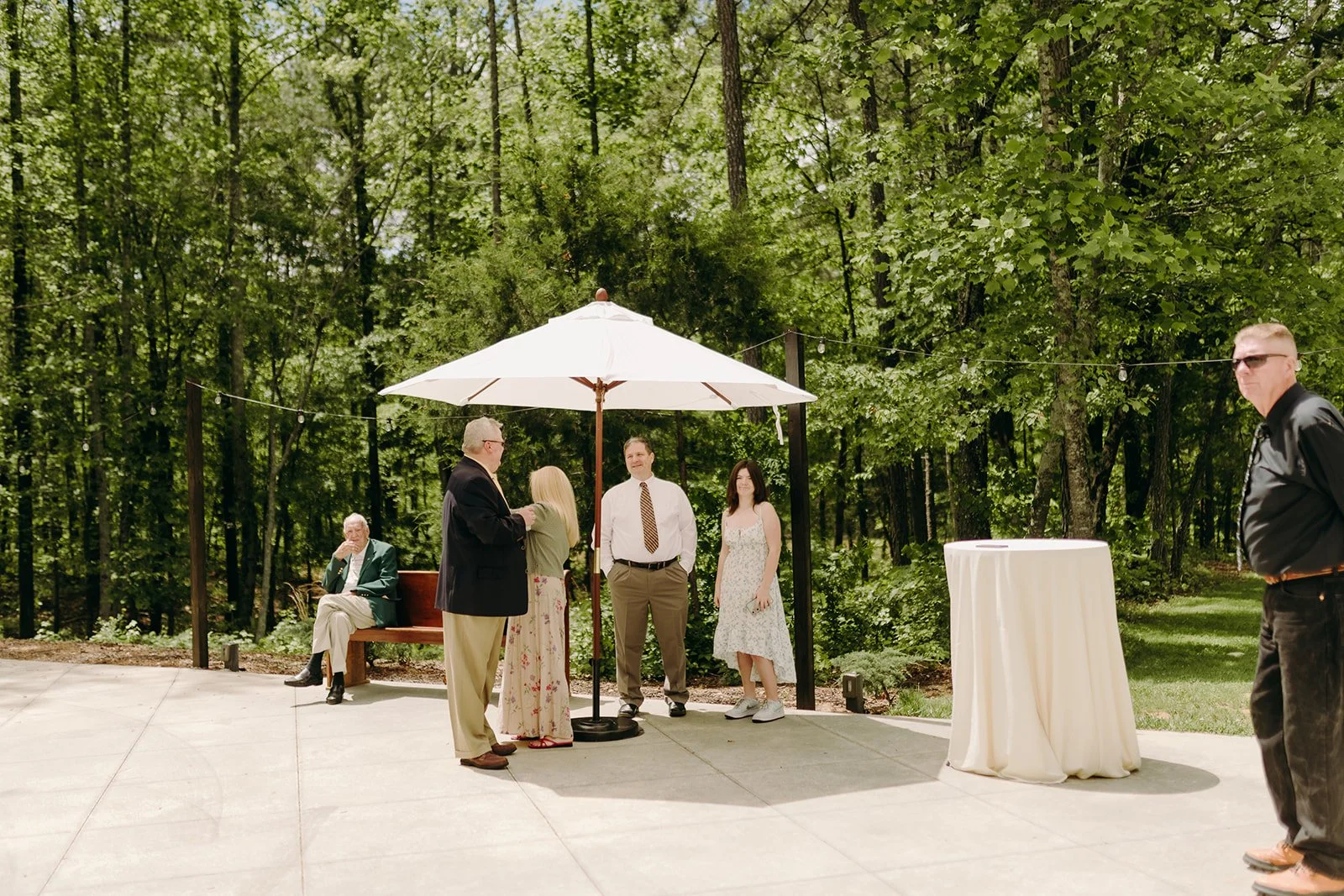
Build in Breaks From Wedding Talk
It’s okay to take intentional breaks from planning. Really.
Try:
One night a week with no wedding talk
A date night where wedding planning is off-limits
A weekend where you focus on rest or fun instead of checklists
Your relationship needs room to breathe outside of planning. After all, the goal isn’t just a wedding it’s a strong marriage.
Trust That It Will Come Together
One of the hardest parts of planning while working full-time is trusting the process. It can feel like you’re behind when, in reality, you’re exactly where you need to be.
Weddings don’t come together all at once they come together slowly, piece by piece. And often, the simplest weddings are the ones that feel the most meaningful.
You’re doing your best with the time and energy you have. That’s more than enough.
A Final Word of Encouragement
If you’re reading this after a long workday, tired and wondering how you’re going to get everything done take a deep breath.
You don’t need to plan the perfect wedding.
You don’t need to impress anyone.
You don’t need to do this the way anyone else did.
You just need to create a day that feels true to you.
And one day soon, you’ll look back and realize you pulled it off while working full-time, living your life, and building something beautiful at the same time.