I Just Got Engaged, What Should I Do Next?
The Ultimate Wedding Planning Guide for Newly Engaged Couples
Congratulations, you’re engaged!
Whether the proposal happened on a mountain overlook, during a romantic dinner, or completely surprised you at home, you've just experienced one of life's most exciting milestones. After sharing the news, showing off your ring, and celebrating with family and friends, many newly engaged couples find themselves asking the same question:
"I just got engaged... what do I do next?"
If you're feeling excited, overwhelmed, or somewhere in between, you're not alone. Planning a wedding involves many moving pieces, but taking the process step by step can make it enjoyable and stress-free.
This guide will walk you through the most important first steps after getting engaged so you can start planning with confidence.
Step 1: Take Time to Enjoy Being Engaged
Before diving into wedding planning spreadsheets and venue tours, take a moment to simply enjoy your engagement.
Many couples feel pressure to start planning immediately, but this season only happens once.
Spend time:
Celebrating with family and friends
Taking engagement photos
Sharing your news
Talking about your future together
Enjoying the excitement of being newly engaged
Wedding planning will be there tomorrow. Give yourselves permission to enjoy the moment first.
Step 2: Talk About Your Wedding Vision
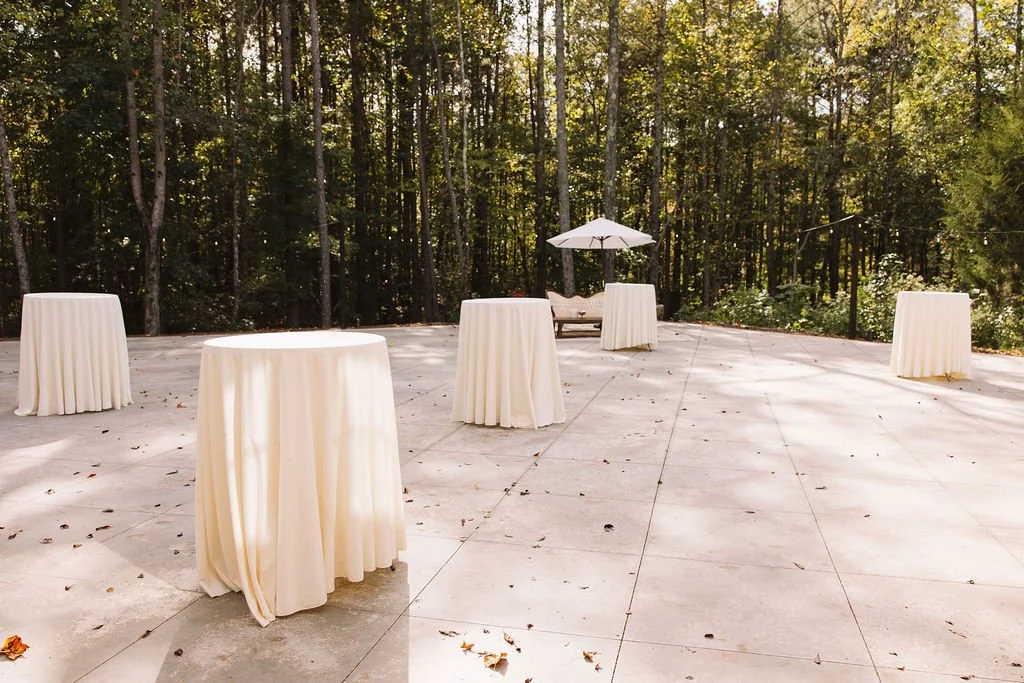
Before contacting venues or booking vendors, sit down together and discuss what kind of wedding you both want.
Questions to consider include:
Do you want a large or intimate wedding?
Do you prefer indoor or outdoor celebrations?
Would you like a formal or casual atmosphere?
Are you interested in a destination wedding?
What season do you prefer?
What elements matter most to you?
Some couples prioritize:
Incredible photography
Amazing food
A packed dance floor
Beautiful scenery
Guest experience
Weekend wedding celebrations
There are no right or wrong answers. The goal is simply to get on the same page before making major decisions.
Step 3: Create a Preliminary Budget
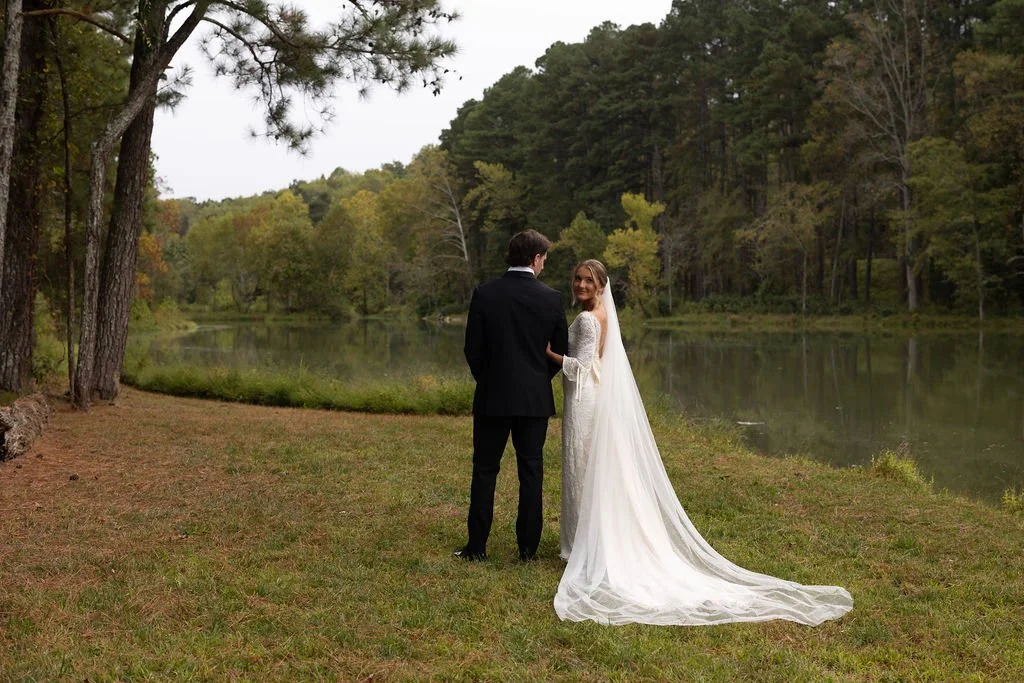
Your budget will influence nearly every wedding decision moving forward.
Before booking anything, discuss:
Total wedding budget
Who is contributing financially
Areas where you want to invest more
Areas where you are comfortable spending less
Your wedding budget helps determine:
Venue options
Guest count
Catering choices
Vendor selections
Decor expectations
Having a realistic budget early can prevent stress and disappointment later in the planning process.
Step 4: Draft Your Guest List
You don't need an exact guest list immediately, but creating an estimate is extremely important.
Your guest count impacts:
Venue size
Catering costs
Rental needs
Budget planning
Seating arrangements
Start by creating three categories:
Must Invite
Immediate family and closest friends.
Would Love to Invite
Extended family and important friends.
Optional Guests
Coworkers, acquaintances, and distant relatives.
Even an approximate number helps narrow down venue options significantly.
Step 5: Choose a Wedding Date Range
You don't necessarily need an exact wedding date right away.
Instead, determine:
Preferred season
Preferred year
Flexible months
For example:
Spring 2027
Summer 2027
Fall 2026
Winter wedding
Having flexibility often gives you more venue availability and better vendor options.
Step 6: Start Venue Shopping Early
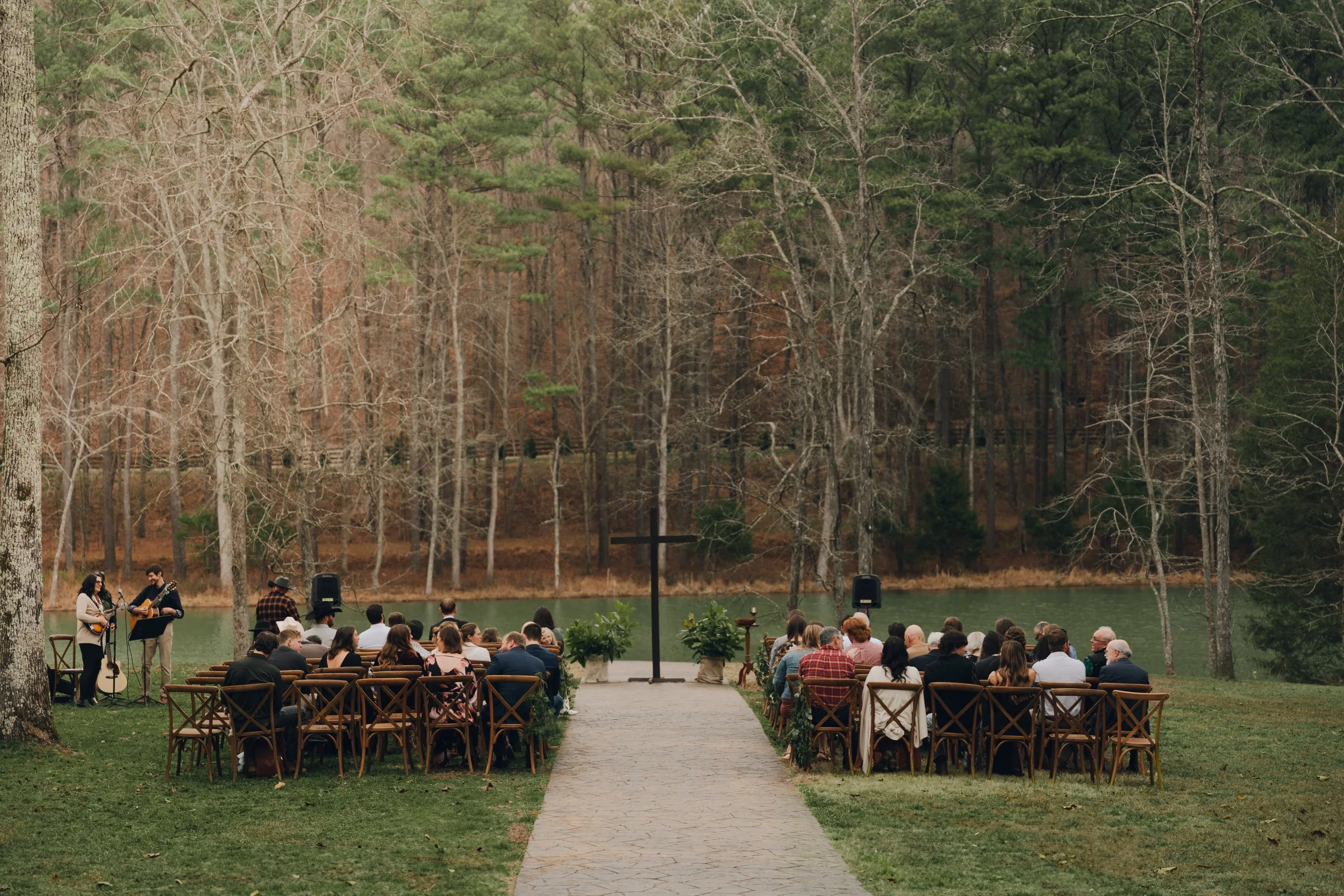
Your wedding venue is typically the first major booking couples make.
In fact, many other wedding decisions depend on the venue because it determines:
Date
Location
Capacity
Style
Budget
Logistics
Popular wedding venues often book 12–24 months in advance.
When touring venues, ask questions about:
Pricing
Guest capacity
Rain backup plans
Included amenities
Lodging options
Vendor flexibility
Setup and cleanup
Many couples today are choosing venues that provide more than just a ceremony and reception space.
Properties like Hidden Springs Venue offer scenic mountain settings, overnight accommodations, and weekend wedding experiences that allow couples and guests to spend more time together throughout the celebration.
Step 7: Book Your Most Important Vendors
After securing your venue, it's time to book vendors.
The vendors that typically book first include:
Photographer
Your wedding photos will preserve memories for decades. Many top photographers book over a year in advance.
Videographer
Wedding films continue to grow in popularity because they capture emotions, speeches, and moments photographs cannot.
Planner or Coordinator
A wedding planner can assist throughout the planning process, while a day-of coordinator helps execute wedding-day logistics.
Caterer
If catering isn't included with your venue, securing your food vendor early is important.
Entertainment
Whether you choose a DJ, live band, or acoustic musician, entertainment significantly impacts the reception atmosphere.
Step 8: Create a Wedding Planning Timeline
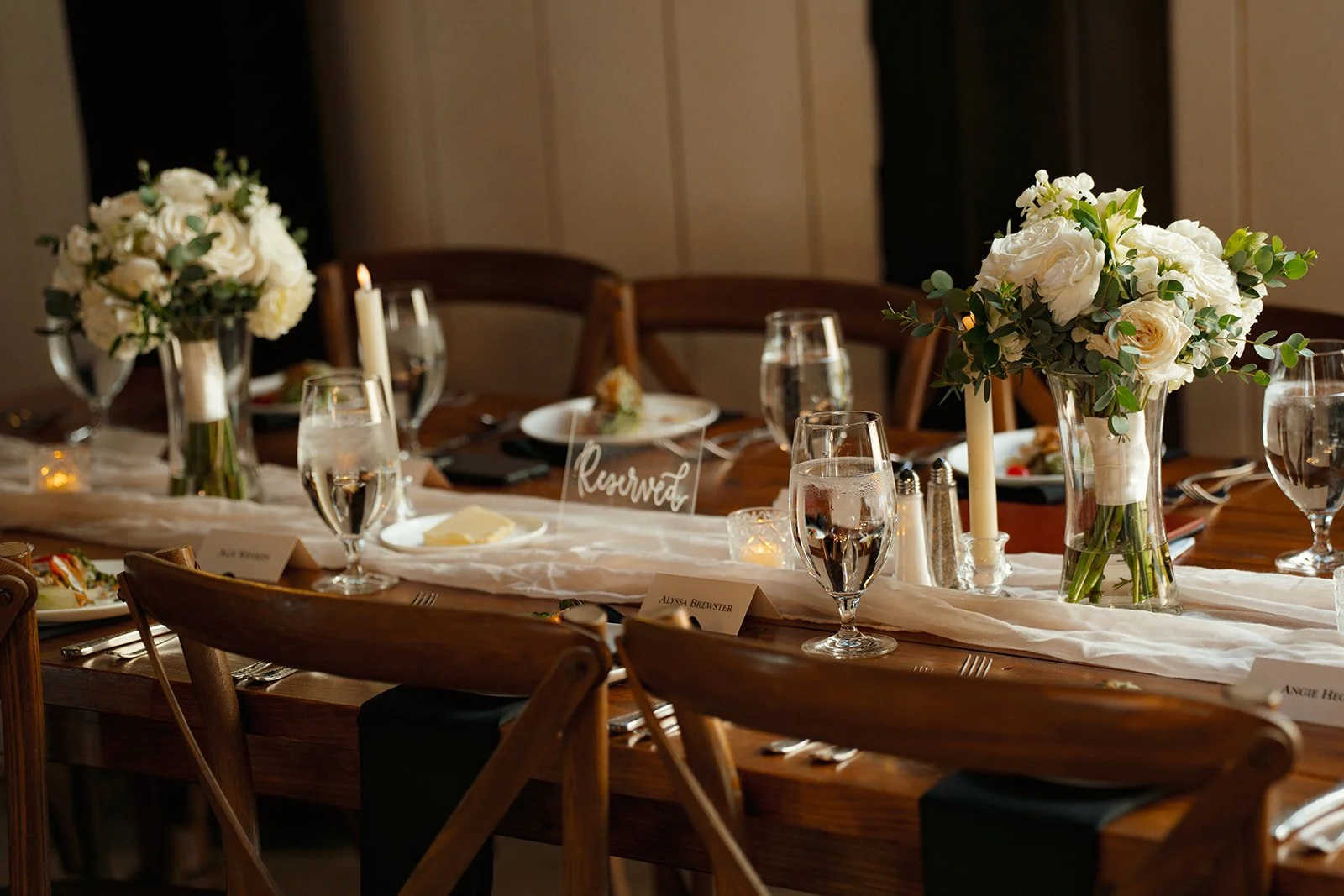
Breaking wedding planning into smaller tasks makes everything feel much more manageable.
A typical timeline may include:
12–18 Months Out
Book venue
Set budget
Secure major vendors
9–12 Months Out
Order dress
Finalize bridal party
Plan engagement photos
6–9 Months Out
Send save-the-dates
Reserve accommodations
Plan ceremony details
3–6 Months Out
Finalize menu
Schedule tastings
Purchase accessories
1–3 Months Out
Send invitations
Confirm vendors
Finalize timeline
A structured timeline helps eliminate last-minute stress.
Step 9: Think About Guest Experience
One of the biggest wedding trends for 2026 is focusing on guest experience.
Couples increasingly ask:
Will guests feel comfortable?
Is travel convenient?
Are accommodations nearby?
Will guests enjoy the overall experience?
Guests often remember:
The atmosphere
The food
The entertainment
The hospitality
More than elaborate decorations or expensive details.
Creating a welcoming and thoughtful experience goes a long way.
Step 10: Build a Wedding Website
A wedding website quickly becomes one of your most useful planning tools.
Your website can include:
Event details
Venue information
Accommodation recommendations
Registry links
FAQs
RSVP options
Directions
Wedding websites simplify communication and reduce repetitive questions from guests.
Step 11: Schedule Engagement Photos
Engagement sessions offer several benefits.
They allow couples to:
Get comfortable in front of the camera
Build rapport with their photographer
Create save-the-date images
Capture this exciting season of life
Many couples say engagement sessions help reduce wedding-day photo anxiety because they already know what to expect.
Step 12: Remember That Your Wedding Is About You
Social media can be inspiring, but it can also create unrealistic expectations.
You may see:
Luxury weddings
Viral trends
Elaborate decor
Massive budgets
It's important to remember that your wedding doesn't need to look like someone else's to be meaningful.
Focus on what matters most to you as a couple.
Whether that's:
A mountaintop ceremony
A backyard celebration
An elegant ballroom reception
An intimate gathering with family
Your wedding should reflect your story.
Common Mistakes Newly Engaged Couples Should Avoid
Booking Vendors Before Establishing a Budget
Know your financial limits first.
Waiting Too Long to Book a Venue
Popular dates disappear quickly.
Inviting Too Many Guests Too Soon
Guest count affects nearly every expense.
Trying to Please Everyone
You cannot make every guest happy.
Comparing Your Wedding to Others
Every couple's priorities are different.
Avoiding these common mistakes can save significant stress throughout the planning journey.
The Most Important Thing to Remember
Wedding planning can feel overwhelming at first because there are so many decisions to make.
The good news is that you don't need to figure everything out today.
Start with:
Enjoying your engagement
Setting a budget
Estimating your guest count
Choosing a venue
Building your vendor team
Everything else will fall into place one step at a time.
I Just Got Engaged,What Next?
Getting engaged is the beginning of one of the most exciting chapters of your life. While wedding planning may seem complicated initially, approaching it with a clear plan and realistic expectations can make the process enjoyable rather than stressful.
Celebrate your engagement, dream about your future together, and focus on building a wedding experience that reflects who you are as a couple.
Whether you're planning an intimate gathering or a full wedding weekend surrounded by family and friends, the most memorable weddings are the ones that feel authentic, meaningful, and filled with love.
So take a deep breath, enjoy this exciting season, and remember: you don't have to plan everything at once. One step at a time is all it takes to turn your wedding vision into reality.
Izenstone Contact, The Bougainvilleas Contact, Evergreen Ranch Contact, Hidden Springs Venue Contact, Swan Lake Overlook Tour